
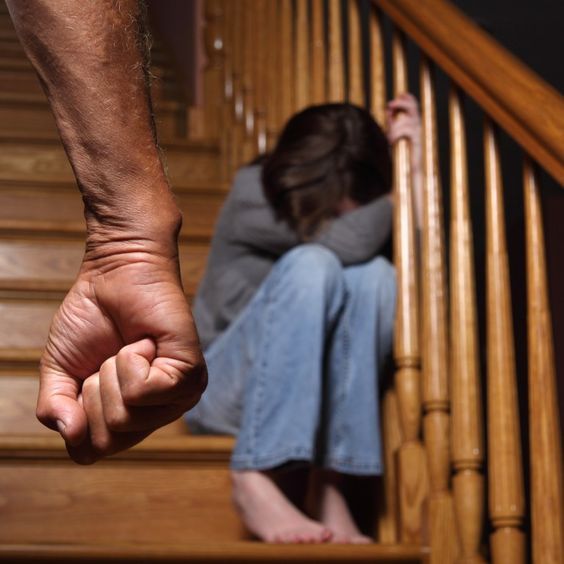

Childhood is the time when the trust, initiative, and a sense of competence are rapidly grown, learned, and formed. It is true that children in these first stages are very dependent on their parents to meet their needs, and to give them the confidence that is in the process of their growth.
When these needs are met with consistency, guidance, and emotional security, the child will have the qualities of hope, willpower, purpose, and a healthy sense of industry.
But when a child grows up without their needs being met, or faces too much criticism, they can start to feel unsure of themselves. They may learn to mistrust others, feel guilty or ashamed, or believe they are not good enough. These early experiences stay with a person, shaping how they see themselves, how they relate to others, and how they deal with problems later in life.
In this blog, we’ll find how childhood trauma impacts on adult relationships, common signs of childhood trauma, and how we can heal from all these things.
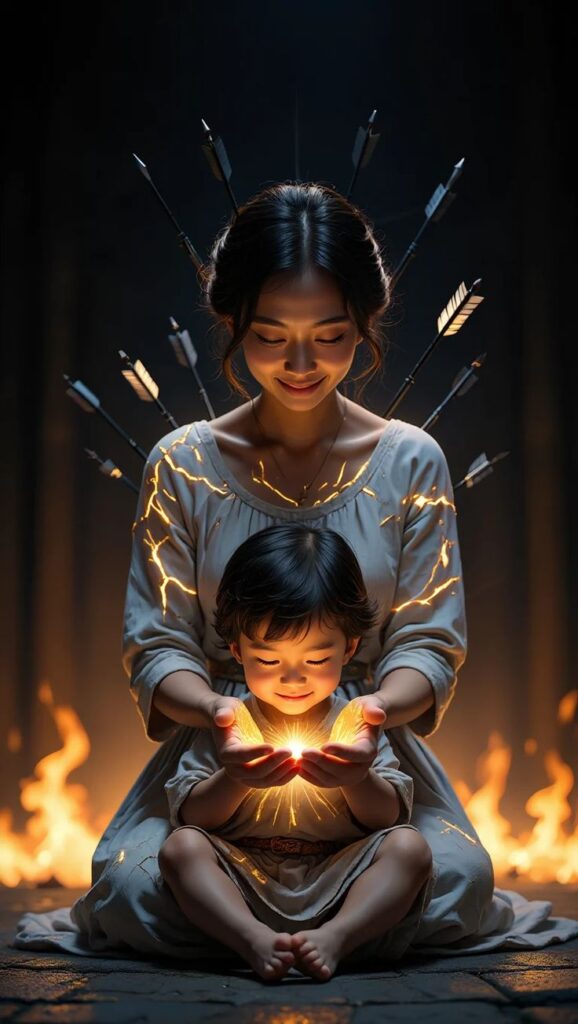
What Is Childhood Trauma?
Childhood trauma is any form that causes a feeling of lack of safety, being unloved, or being overwhelmed for a child.
Such experiences may be:
- Emotional neglect
- Physical or emotional abuse
- Parents fighting often
- Abandonment
- Being compared, criticized, or shamed
- Growing up around addiction
- Not having emotional support
Trauma doesn’t always come from only big events. Even a few incidents repeated over time can leave a deep impression on a child’s mind and emotions.
How Childhood Trauma Shows Up in Adult Relationships
Many people are not aware that their fighting in a relationship is actually the result of their childhood wounds. Trauma has a great impact on our brain, even if it is a memory of the past.
Here are the most common signs:
1. Fear of Abandonment
People who experienced emotional abandonment during their childhood frequently are afraid that their partner will leave them too.
This may look like:
- Overthinking
- Constant need for reassurance
- Feeling unsafe when alone
- Jealousy or clinginess
This behavior is not neediness—it is the old fear that is coming again.
2. Difficulty Trusting Others
If your trust was broken early in life, it will be difficult for you to trust a partner.
You may:
- Doubt their intentions
- Expect them to hurt you
- Think too much about things going wrong
- Struggle to open up emotionally
This often creates distance in relationships.

3. Becoming a People-Pleaser
Kids who have a really tense and stressful home situation often end up learning the skill of “making everyone happy”.
In adulthood they:
- Say yes even when they want to say no
- Put others’ needs first
- Avoid conflict
- Feel responsible for everyone’s emotions
Such a lifestyle results in the draining of one’s energy and relationships that are only giving and not balanced.
4. Choosing Emotionally Unavailable Partners
A painful truth:
We repeat what feels familiar, not what is healthy.
If love had been something scary for you as a child, you might end up choosing partners who confuse you with their signals, refuse to commit, or treat you in a similar way as your caretakers/parents did.
6. Overreacting or Feeling Triggered
Sometimes a small comment or argument can activate your old wounds.
Your emotional reaction may feel bigger than the situation because your body still keeps the memory of the past. This is not weakness, this is trauma speaking.
5. Struggles With Communication
Very often, childhood traumas have an impact on the child’s ability to share their feelings.
You may:
- Shut down during conflict
- Get overwhelmed easily
- Feel misunderstood
- Avoid deep conversations
Healthy communication feels scary because it was not demonstrated in your early years.
7. Low Self-Worth
If you were criticized, ignored, or shamed as a child, you may grow up feeling that you are “not good enough.”
This affects relationships through:
- Accepting poor treatment
- Fear of setting boundaries
- Staying in toxic relationships
- Feeling unlovable
Your inner child still waits for the love they deserve.
Can Childhood Trauma Be Healed? Yes.
Healing is possible at any age. It is possible for you to create relationships that are emotionally healthy, safe, and loving – even if you didn’t receive that growing up.
Healing may include:
- Inner child work
- Emotional awareness and regulation
- Learning healthy boundaries
- Therapy or coaching
- Releasing limiting beliefs
- Understanding your triggers
You don’t have to do it alone. With the right support, you can break generational patterns and build relationships that feel safe, stable, and loving.

Final Thoughts
Childhood trauma does not define your future. It simply explains your past. Once you recognise your emotional patterns, you will have the power to transform them. You deserve a relationship where you feel seen, heard, loved, and safe.
Healing your inner child is the first step toward healthier adult relationships.
Book a Strategy Session With Coach Sangeeta
If this blog resonates with you and you want to heal your childhood wounds, build better relationships, and create emotional balance, Best Life in India Coach Sangeeta can help.
She specializes in:
- Inner child healing
- Relationship coaching
- Emotional self-worth
- Trauma recovery
- Personal transformation
✨ Book a strategy session with Coach Sangeeta and start your healing journey today.














4 Responses
She is excellent life coach with amazing healing skills which help one’s to keep healed and calm .
Thanks Mehak for sharing your experience.
This really hits home, Sangeeta. It’s eye-opening to see how much our past influences how we show up in our relationships today. Thank you for shedding light on this.
I’m so grateful this resonated with you. Childhood experiences shape so much of how we show up in our relationships, often in ways we don’t realize until we pause and reflect. The fact that you’re noticing this connection is already a powerful step toward healing. Thank you for sharing, it means a lot.