

Have you ever wondered why certain situations trigger strong emotions, anxiety, fear or self-doubt in your adulthood?
Many people spend years struggling with stress, low confidence, relationship issues or emotional pain without realizing that the reason may be hidden within your childhood experiences.
Childhood is one of the most crucial stages of a person’s life. The childhood experiences and events we encounter help shape us into the individuals that we are as adults – they influence our beliefs, behavior, emotional responses and mental health. Whether it’s a good experience or a bad one, the impact stays with us for a lifetime.
In this article, we’ll dive into the relationship between childhood experiences and adult mental health, identify signs that may indicate you’re experiencing some childhood trauma symptoms, and how working with a skilled mindset coach, such as Coach Sangeeta, can assist you to heal, evolve, and build a healthier life.
Why Childhood Experiences Matter
During our early years, human beings develop very rapidly. During these years, children form a belief system about trust, emotion regulation, dealing with stressors, and who they are in this world.
Positive experiences such as being loved, receiving support and being encouraged build a person’s confidence and emotional resilience.
Unfortunately negative experiences can result in emotional wounds that continue to affect us in adulthood.
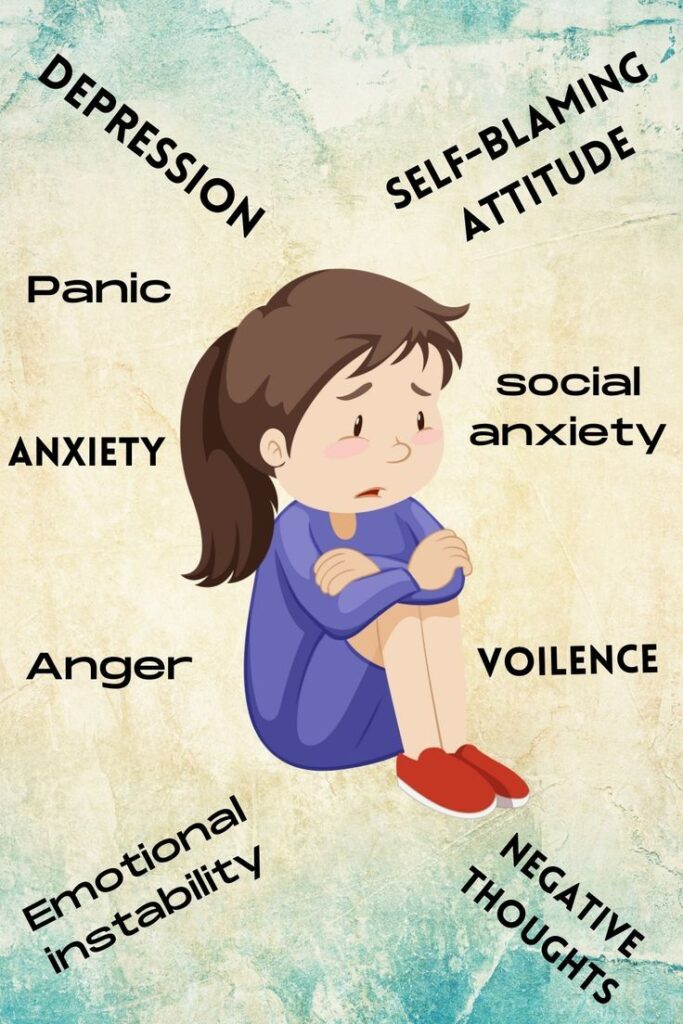
Some childhood traumas may include;
- emotional neglect,
- physical and verbal abuse,
- bullying,
- family conflicts,
- parent divorce,
- lack of affection,
- continuous criticism, and poor family financial circumstances.
Even seemingly minor childhood occurrences may result in lasting effects.
How Childhood Trauma Affects Adult Mental Health
Here are the some reasons, how childhood trauma affects adult mental health:
| 1. Anxiety and Excessive Worry Adults who had a shaky childhood will likely have some level of anxiety later in life. This can manifest as worry over the; fear of being criticized by others; fear of making mistakes; worry over potential abandonment by others; worry over finances; and apprehension about the future. Their Nervous System remains in “fight or flight “mode which does not allow for feelings of security and relaxed. | 2. Low Self-Esteem and Self-worth The victims of frequent criticism and ridicule develop beliefs of not being “good enough.” “I am of no value,” “I’m a failure,” or “I’ll never achieve success” are common thoughts of those with poor self-esteem and these can affect job performance, marriage, and a person’s personal development. |
| 3. Challenges in Healthy Relationships A person who carries unresolved childhood emotional wounding will; fear abandonment; difficulty experiencing and expressing emotional intimacy; become extremely codependent; demonstrate distrust towards others; attract relationships that seem “off”; and the cycle repeat! | 4. Depression and emotional Numbness When painful childhood memories or traumas are unaddressed and unresolved, the heavy burden of emotions can build up and eventually result in feelings of sadness, depression, emptiness and lethargy and lack of interest in life. |
| 5. Perfectionism and Fear of Failure People who grew up in critical home environments may develop into perfectionists, who are often constantly driven to; perform perfectly; never make mistakes; avoid conflict and disapproval; and are driven by a need to continually prove their value. Although per-fectionism might be viewed positively, the price of this can include high levels of stress, and anxiety, and burnout. |

6 Signs Your Childhood Experiences May Still be Affecting You
Signs that you might be struggling with unprocessed childhood trauma include;
- You are overthinking;
- Low confidence and self worth;
- fear of rejection and judgment;
- people pleasing;
- have multiple triggers in response to certain people or situations;
- struggle to fully trust people;
- negative self talk;
- self criticism;
- fear of failure and difficulties in romantic relationships.
Recognize your pattern
First and foremost know that many people in our world are struggling just like you, and recognizing your particular patterns is the first step towards taking control and finding a path to heal.
The Psychology of Childhood trauma
The field of psychological and neuro-science research clearly indicates that adverse childhood experiences (ACEs) impact a person’s brain development and emotional regulation in the long run.
Children who grow up in high stress environments develop high stress response in their adulthood and consequently face greater risks for developing;
- chronic pain disorders,
- anxiety disorders,
- depression,
- Post-Traumatic Stress Disorders (PTSDs),
- substance use,
- depression and emotional dys- regulation.
Good News: Our Mind Can Change!
Because our mind is neuro-plastic (changes and grows) we can heal at any age, we just need the right approach, coaching support and techniques.
How mindset coaching can help to heal childhood trauma?
Most individuals often find themselves looking to move forward with life without having properly addressed the deeply rooted emotional and behavior patterns learned during childhood.
Coach Sangeeta through her proven mindset coaching helps her clients to:
- Understand their patterns;
- Address deep seated beliefs that no longer serve them;
- Build emotional resilience;
- Boost self confidence and self worth;
- Learn to reframe negative thought patterns and to live a life of purpose, peace and fulfillment.
Because when we become aware of our deepest patterns, it becomes far easier for us to shift and change those that no longer serve us.

Why coach Sangeeta is one of the most powerful mindset coaches?
Coach Sangeeta’s expertise in helping clients to unlock their confidence and grow into the highest versions of themselves has been instrumental for so many individuals on their path to overcome adversity.
Her work goes way beyond merely providing motivational statements; it is a deep dive to help you identify and work through the core causes that have been holding you back and creating painful patterns.
Personalized Growth:
She takes into consideration the specific experiences, traumas and struggles you have faced.
Actionable Steps:
Coach Sangeeta provides practical and effective tools and strategies to help you create tangible and lasting changes.
Safe and Supported Space:
She offers a non- judgmental and compassionate space where you can feel comfortable to explore your deepest emotions.
The Ultimate Outcome:
Building self-confidence, and re-framing your thought process, allowing you to gain clarity in life, establish healthy relationship patterns and overcome limitations that have hindered your happiness.
Why should you work with coach Sangeeta?
If you suspect your past childhood experiences may be affecting you as an adult and influencing your thoughts, emotions, relationships or life, you will certainly want to get to the root cause and work towards resolving it.
A coaching session with Coach Sangeeta, best mindset coach in India, can provide you with the clarity, skills and techniques to help you break through your limitations and step into the confident, happy person you were born to be.
Conclusion
It goes without saying, childhood has a profound and lasting effect on how we develop as human beings.
However, not everything that happened to us in childhood is an irreparable wound, as our ability to heal and grow continues even in adulthood.
The process starts by understanding the link between childhood experiences and the impact they have on mental health.
If you’re ready to heal, grow, and take charge of your life, Coach Sangeeta can help you overcome childhood pain, reclaim your power, and transform your life for the better. Book a free strategy session with her.
FAQs
Yes. Childhood trauma can be a cause for adult anxiety, depression, low self-esteem, trouble with relationships, and other emotional problems.
Yes, mindset coaching can be used to identify beliefs that hold individuals back, cultivate greater emotional awareness, and cultivate positive thought processes.
Common signs of childhood trauma include excessive thinking and overthinking, lack of confidence, a need to people-please, fear of rejection, difficulty with trust, and emotional triggers.
Coach Sangeeta provides a personalized experience, tangible and real-world strategies, emotional support, and transformation through coaching techniques that result in lasting personal development.















2 Responses
“This is indeed a very enlightening read. The influence of childhood experience on mental health is underestimated by many people. Creating awareness about such patterns will enable people to change their lives for the better.”
A must-read blog! 🌟 It beautifully explains how childhood experiences shape our mental health as adults. Simple, powerful, and truly thought-provoking. Coach Sangeeta is one of the best life coaches in India, and her insights are always valuable. Highly recommended!