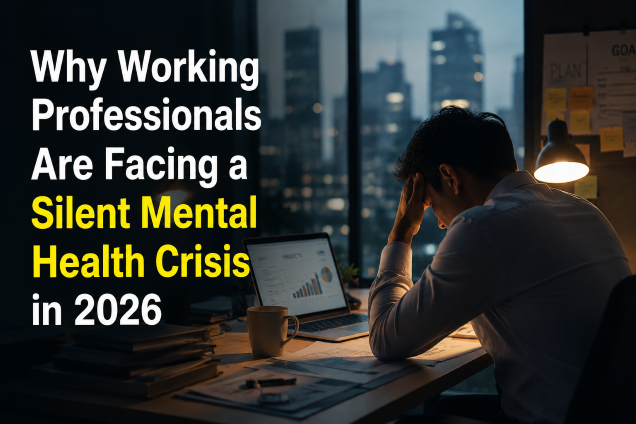


Emotional trauma is a sort of psychological harm that develops after going through a particularly stressful or upsetting incident or sequence. Trauma can have a significant negative effect on a person’s physical, mental, and Emotional Health and can result in a number of chronic problems, such as addiction, depression, anxiety, and PTSD. We shall examine the most frequent causes of emotional trauma in this blog.
Causes Of Emotional Trauma:
- Physical, emotional, or sexual abuse: Abuse that is physical, emotional, or sexual can have a significant effect on someone’s emotional health. Abuse-related trauma can produce emotions of worthlessness, humiliation, remorse, and a lack of confidence in other people.
- Natural disasters or accidents: Trauma can result from natural catastrophes like earthquakes, hurricanes, floods, and wildfires because loved ones, homes, and valuables are lost. Emotional trauma can also be brought on by mishaps like vehicle accidents, workplace accidents, or terrible medical situations.
- Witnessing or experiencing violence: Violence, whether it be in the form of gang violence, marital violence, or war, can be extremely traumatic. Violence can have a long-lasting effect on a person’s mental and emotional health. This is because to the fear, powerlessness, and sense of danger that are associated with it.
- Loss or death of a loved one: An extremely traumatic experience, the loss or death of a loved one can result in emotions such as sadness, grief, rage, and loneliness.
- Abandonment or neglect: Childhood neglect or abandonment can happen, but it can also happen to an adult. When someone feels unloved or undesired, they may struggle to build meaningful relationships. They may also feel ignored or abandoned.
- Serious injury or disease: Due to the dread and uncertainty that come with dealing with a serious sickness or injury that could result in death, serious illness or injury can result in emotional stress. Trauma can also be exacerbated by the strain of medical procedures and the effects that disease or injury may have on a person’s quality of life.
- Oppression or discrimination: Due to the sense of helplessness, rage, and frustration that comes with being the target of discrimination, such as in cases of racism, homophobia, or sexism, these forms of oppression or discrimination can result in emotional trauma. This type of trauma can lead to feelings of shame, guilt, and a lack of self-worth.
In conclusion, a variety of situations, such as abuse, violence, natural catastrophes, and discrimination, can result in emotional trauma. It is crucial to get professional assistance from a therapist or mental health professional if you or someone you love is going through emotional trauma. It is possible to recover from trauma and regain a sense of wellness with the correct help.
Less Obvious Causes People Often Overlook
Trauma is not only caused by big, dramatic events. Many people carry emotional trauma from experiences they never called “trauma”:
- Emotional neglect: growing up with your feelings ignored, even if your physical needs were met.
- Constant criticism: being compared, shamed, or told you were “too much” or “not enough”.
- Bullying: at school, at work, or online.
- Growing up with an unwell or addicted parent: having to be the “adult” too early.
- Sudden loss or betrayal: a breakup, a divorce, or losing someone without a goodbye.
- Medical experiences: a difficult illness, surgery, or birth.
Signs Trauma Is Still Affecting You
- You react strongly to small triggers and don’t know why.
- You find it hard to trust people or to let them close.
- You feel numb, on edge, or tired most of the time.
- You avoid certain places, people, or memories.
- You repeat the same painful patterns in relationships.
Gentle First Steps Toward Healing
Healing starts with safety. Notice your triggers without judging yourself, and try grounding: feel your feet on the floor, name five things you can see, and breathe slowly. Writing down what you feel can help you understand it. Most of all, you don’t have to process it alone.
I had unresolved trauma I didn’t know how to process. The safe space and tools you offered helped me gently unpack and release it. I feel more whole, grounded, and at peace.
Lovepreet, coaching client
Frequently Asked Questions
Can emotional trauma heal completely?
Yes, the pain of trauma can heal. Memories may stay, but they stop controlling how you feel and act today.
How is trauma healing different from talking about the past?
Healing is not about reliving the past again and again. It is about releasing the emotions stored in your body and mind and building new, safer patterns.
When should I see a therapist or doctor?
If you have flashbacks, panic attacks, thoughts of harming yourself, or symptoms that stop you from living your daily life, please reach out to a qualified mental health professional. Coaching works best alongside professional care in these cases.
Related coaching: If this resonates with you, explore Emotional Wellness Coaching with Coach Sangeeta. Not sure where to start? Book your Free 30-Minute Clarity Call.